A Long-Form Introduction

Because I’ve had a less-than-conventional path into data work, it feels appropriate to start this blog with a little more about me. How did I end up here (and why am I, as a former colleague once asked me, not a poet or a baker instead)? Where am I looking to grow (as all close to me know that I am fully, if sometimes overly, committed to growing towards the next thing)? And perhaps most importantly, how does all of this shape my approach to data work? I believe that the analysis can’t be divorced from the analyst, so consider this my longer-form introduction to me–and by extension, my approach to analytics and data work in general.
My entrance into data
I graduated college with minimal math exposure. No part of me identified as a “numbers person.” But the first full-time job I landed out of college–a Coordinator role for an evaluation team at a nonprofit–needed those “numbers” skills to answer the financial questions I was responsible for. So with nothing but a barely-supported edition of Oracle BI, an Excel license, and a grit I’ve come to love about myself, I set to figuring it out. I started with learning pivot tables in Excel. When I wanted the ability to see multiple tables in the same visualization, I graduated to data transformations and modeling in Power BI. When I learned about databases, I sought out SQL bootcamps and consulting projects for practice. And when I finally was starting to feel something close to analyst, I dove into learning pandas and matplotlib in Python. Over a few short years, I had completely pivoted my career towards data work.
Learning data skills in a place like Oxfam also helped me become a generalist. I took a 3-month visual design course, learned feminist theory from the Gender Justice department, and used my Union professional development funds to start a project management (PMP) certification. My willingness to volunteer gave me facilitation and leadership experience as well: I revamped and co-led the Staff Development Committee for my Union, co-chaired the Young Women Professionals Employee Resource Group (ERG), participated in the Gender Resource Network, and led a community of practice for data practitioners called Data Pack. (More on that below.) Oxfam was full of opportunities to learn if you knew where to look, and I was on a very successful scavenger hunt.
In 2019, I co-founded Data Pack, a staff-led community of practice dedicated to data, which catalyzed my learning in ways I couldn’t have imagined. We started with nine members and a 20 USD Udemy Power BI course I had paid for out-of-pocket. When I left Oxfam in 2022, we had grown to 40+ members, two learning groups, and a 3k USD or so annual budget. We had delivered a dozen or so Data Pack projects, which matched data work to Data Pack members who wanted to learn a new skill. We hosted social hours, problem-solving sessions, and feminist data ethics book clubs. Perhaps best of all, I had designed a ridiculous logo inspired by the Three Wolf Moon t-shirt. (If you look closely, there are numbers in the background of the Data Pack logo, which was real, copied-and-pasted Oxfam financial data. A long-running joke with myself that data without context is just background noise.)

Personally, I learned Power BI, SQL and (the start of) Python all through Data Pack funds and learning opportunities. Data Pack was transformational to my career, and whether or not it still exists at Oxfam today, it was really special. You can learn more about Data Pack in the Harvard Data Science Initiative talk I gave in 2021, available on Youtube starting at 23:21.
Taking the (analyst) title
After almost six years at Oxfam, I had begun to question the role of international non-governmental organizations (INGOs)–or, at the very least, my role in them. I began looking for other opportunities. In May of 2022, I accepted full-time Analyst position at the City of Boston. I was placed on the Performance Management vertical, a team dedicated to telling the story of the City’s performance through data. (Not too far off from my old evaluation team at Oxfam.) The initial nervousness I felt about my experience level faded as I learned that Oxfam’s challenges were common across large organizations. The skills I had built in relationship and project management, in translating stakeholder needs into analytic products, in data visualization design, and in facilitation were all relevant. The only difference was that the City employs some 20,000 staff instead of a few hundred.
That size and scale of the City’s workforce afforded a unique opportunity to test the staff-led model for data culture started by Data Pack. In November 2022, I led our first data culture pilot at the City: an 11-session learning cohort on JavaScript with 22 staff, using freeCodeCamp as our curriculum. It was a knockout success, earning a 4.7 satisfaction rating from participants, and producing many bbgs (baby bar graphs). Those familiar with d3.js will hopefully share our pride in getting bars-on-page, just a few months after starting to learn JavaScript from scratch:
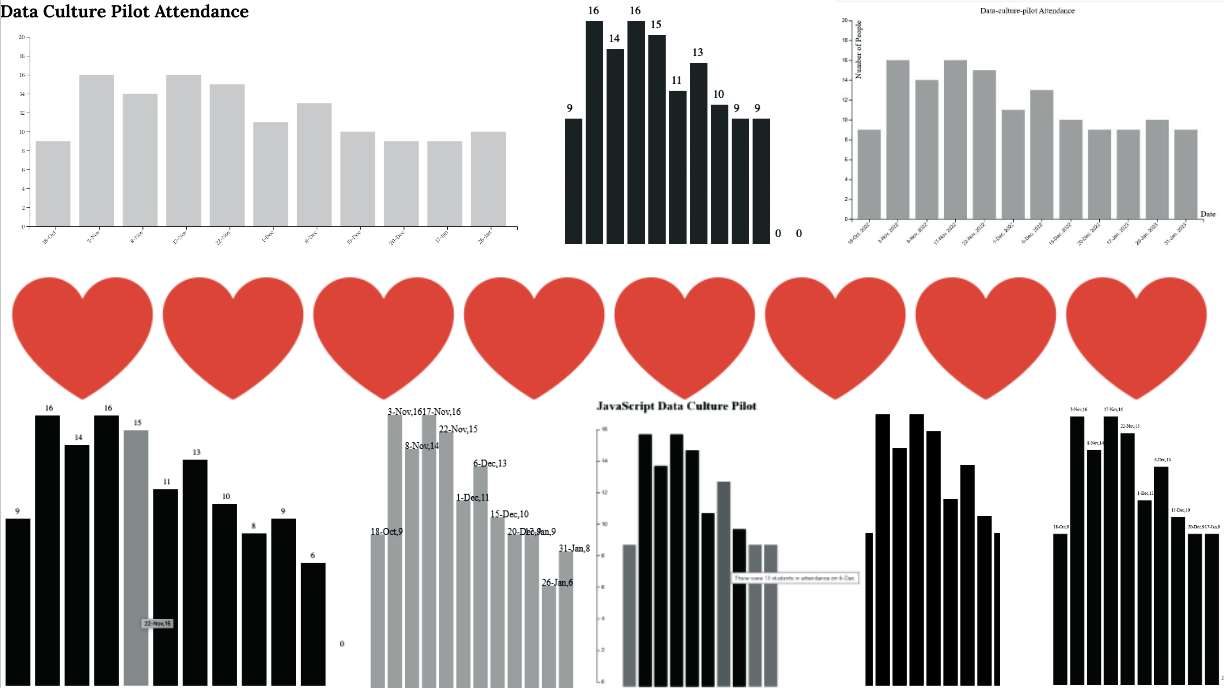
We delivered a total of four learning cohorts in 2023, including JavaScript. One was in Python fundamentals, and two more were dedicated to learning Power BI as part of the City’s transition to the tool. Overall, 55 unique staff across the City completed 50% or more of their cohort in 2023. Through all of this, I also earned a promotion to Performance Manager. This role, which I’m still in today, increased my responsibility in developing strategy for and formally leading Performance Management programs.
Looking Ahead
So, what next? I don’t think it’s a terrible thing to be open to many paths. I know where my interests lie:
- Expanding My Analytic Toolkit: I genuinely love building data tools, and there is no limit to learning something new in data. I’m interested in tinkering with Python packages I have yet to try out, refreshing my stats knowledge, keeping my SQL skills sharp, and allowing myself space to follow my fancies. This includes adding to my toolkit to better apply feminist approaches to data work!
- Facilitating Great Data Conversations: I’m proud of the facilitation skills I’ve built over time, and I’d love to support more people to use data in their work through intentional convening. This can take many forms (and doesn’t necessarily require a professional setting!).
- Building Additional Domain Expertise: The data world is large, and I’m eager to see how data is being used across a variety of socially-minded contexts, including in the private sector. What questions do other industries often ask of their data? What skill sets do they require?
- Exploring Strategy: I’m learning how much I enjoy–and excel at–imagining what could be, and laying out the path to get there. Data Pack, and the City’s Data Culture Program, have all had some combination of strategic plans, performance measures, and theories of change. I’m looking for opportunities and projects than enable me to take on increased responsibility in developing and delivering on strategy. I’m particularly interested in applying this lens to organizational data culture work.
- Learning Feminist Leadership: I’m continually obsessed with the building blocks required to be a fantastic feminist leader in the workplace. I’m interested in evaluating (and growing!) my leadership skills, as well as continuing to volunteer for non-hierarchical leadership opportunities.
(P.S. Why I’m not a poet)
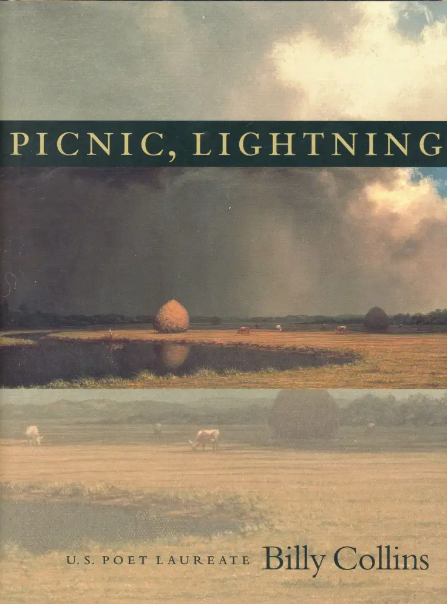
The truth is that I never dreamed of being a full-time poet. Most of the poets I idolized in high school (Billy Collins, Tony Hoagland, Li-Young Lee) were professors and published on the side, so that’s what I imagined for myself. I’d sit on desks and teach kids to see poetry as a window into the world, and into the worlds of others.
So when I started my college career at the University of Vermont, English was an easy first choice for major. But as you might’ve guessed by now: I hate choosing just one thing. Since I had spent most of my life learning French and wanted fluency, I threw that in as a dual major. And because I was fascinated with the world, and how people made meaning within it, I minored in Religion for good measure.
Had UVM been a better long-term home for me, I might’ve graduated with that dual degree. But when I arrived at Northeastern in the fall of 2012, I was informed that major was not offered. I had to choose one, or take a pre-set dual major path. Forever committed to never choosing just one, I decided to try out the French and International Affairs track, and that was first fork towards data work. In an introductory IAF course, I learned about Leymah Gbowee, a Liberian peace activist. There was no going back. Reflecting over a decade later, I don’t fully empathize with all the reasons my younger self wanted to go into social justice work–I wouldn’t have even used that term to describe what I was pursuing–but it boiled down to a core belief I still hold: if I could do something to make the world more worth living in, I should, and I would.
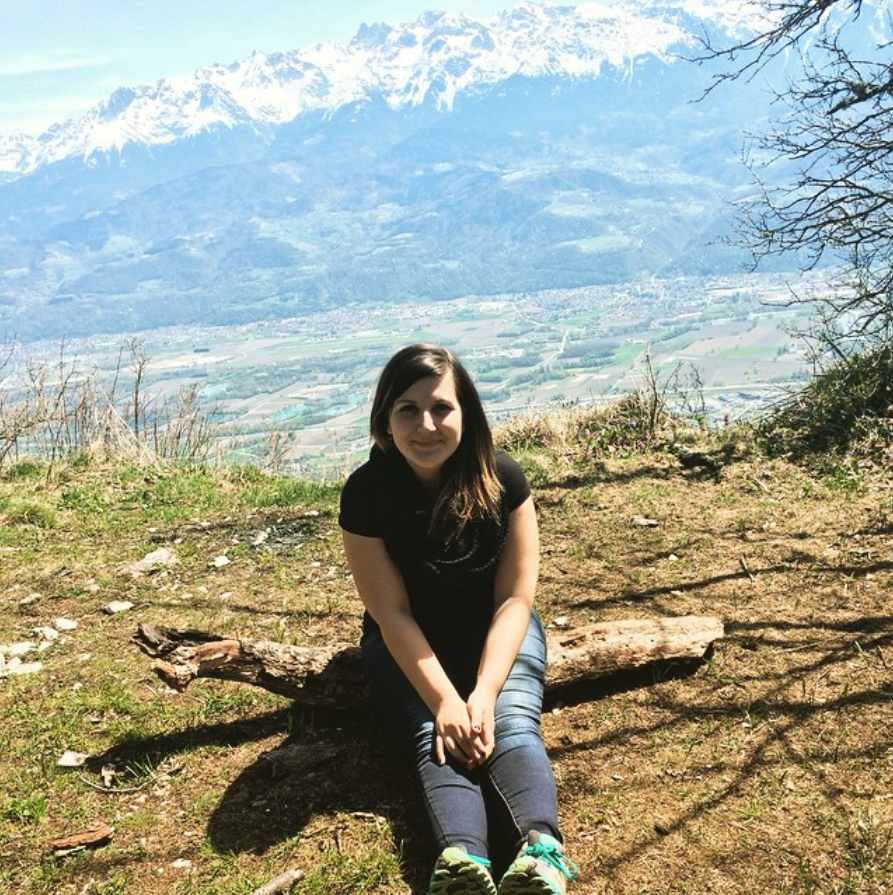
Northeastern also afforded me the privilege of travel. I spent a year getting my heart broken in Dublin, Ireland and another six months attempting French fluency in Grenoble, France. The world was so much bigger than I had imagined. I saw that so much of my beliefs and preferences were learned, not inherent, and I learned to evaluate them through that lens.
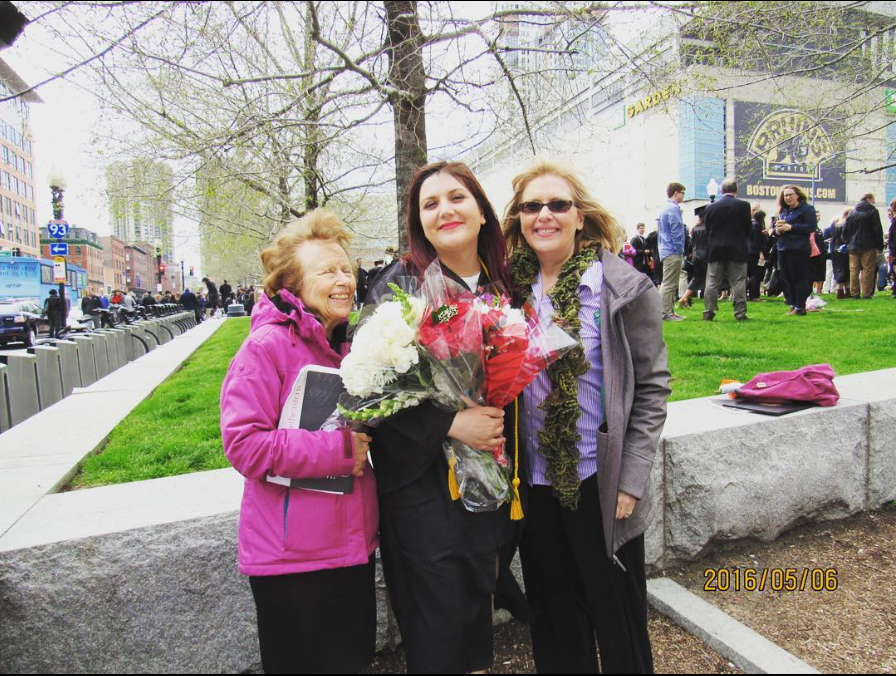
I graduated in 2016 hungry to work any job, anywhere with a soul. I had done a six-month internship at Oxfam America, and they were hiring a Receptionist. I knew folks in the organization, so when I applied, they offered me the temp position that would’ve otherwise been filled by an agency. And as is common, once I was inside the system, everything was easier. We can talk about the pipeline to full-time positions in organizations like Oxfam (flawed), but by February 2017, I had my first full-time, post-college role. I was the Coordinator for the evaluation and technology for development teams. I was responsible for managing projects, financial administration, and while I didn’t know it yet, analytics for both.
So why am I not a poet? The short answer is that I felt I could have more impact elsewhere–and that poetry would always be a home for me, regardless of where my paycheck came from. 
Enjoy reading this article?
Here are some more articles you might like to read next: